Beginner's Guide to Buying Your First Classic Car: Inspection Checklist and Red Flags
Your first classic car will probably not be the best one you look at. It will be the one whose seller answered your questions properly, let you get underneath, and didn't flinch when you asked to see the paperwork. That is usually a better guide than fresh paint.
Novices shop with their eyes and buy with their hearts. This checklist covers the other part of the process — the hour before money changes hands, when a cool head is worth more than any discount.
Paperwork and the Seller
Ask for four things before you agree to travel: a photo of the registration document, a photo of the car's identification plate, pictures of the underside, and a summary of the history file. A seller who won't send them is telling you something.
The document should be in the seller's name, and the number on it should match the plate on the car. That plate is often riveted to the bulkhead or inner wing and may be painted over; check it, and look for signs it has been removed and refitted.
Receipts matter as much as the car. A folder of dated invoices for servicing, brakes, suspension and welding tells you how the car has been treated. No history doesn't automatically mean a bad car — plenty of good ones have lost their paperwork — but you should pay accordingly and expect fewer buyers when you come to sell.
Ask how long the seller has owned it, why it's going, and whether they belong to the model's owners' club. Club members tend to know the car's weak spots.
Bodywork: Follow the Water Downhill
Paint can be redone in a weekend. Structure can't. Spend most of your time on the shell.
Take a magnet and a torch. The magnet slides over steel and refuses to stick to filler; a dull thud when you tap a panel is worth investigating. Look along the flanks from both ends in daylight — ripples, mismatched panel gaps and sanding marks show up in raking light.
Then get on the ground. A sheet of cardboard protects your clothes and keeps you under there long enough to be useful. Follow water downhill: it collects in seams and rusts from the inside out.
- Sills and jacking points — the first places to go, and they are structural.
- Floor pans, especially under the pedals and beneath the seats.
- Wheel arches, inner wings, and the seam where they meet the sill.
- Boot floor and spare wheel well.
- Around the windscreen and rear screen rubbers, and the scuttle panel.
- Battery tray, subframe mounts, suspension turrets and chassis rails.
Overspray on rubber seals, trim and glass edges suggests a quick blow-over that hides repairs rather than fixing them. A repaint is fine — a good one is expensive and worth having — but you want to know what's underneath. Check parts availability too. Some models have strong spares support; others leave you hunting a tail light for two years.
Engine and Mechanicals: Start It Cold
Ask the seller not to start the car before you arrive. A cold start is the most useful free diagnostic you'll get. Listen for a rattle that fades as oil pressure builds, a tapping top end, or a knock that doesn't go away. Watch the exhaust: a puff of blue on start-up can mean worn valve guides or rings, and white smoke that lingers can mean coolant is getting somewhere it shouldn't.
Once it's warm, work through this:
- Oil on the dipstick: level, colour, and whether it smells of fuel.
- Filler cap and rocker cover for mayonnaise-like emulsion.
- Coolant condition, radiator fins, hoses and expansion tank.
- Brake fluid colour, plus the metal pipes and flexi hoses.
- Every electrical item: lights, indicators, wipers, horn, heater, gauges.
Amateur rewiring is common and tedious to unpick. Look for taped joints, scotch connectors and wires that go nowhere. Afterwards, check underneath for fresh drips. A weep from an old engine is normal; a puddle is not.
The Test Drive: Twenty Minutes Minimum
A lap around the block tells you almost nothing. Insist on a proper drive.
- Set off from cold, and let the car idle for a few minutes first.
- Cover town traffic and open road — twenty minutes at least.
- Brake firmly from speed on a straight, empty road. It should stop straight, without pulsing or pulling.
- Select every gear, including top and any overdrive. Crunching when warm means a rebuild; crunching only when cold is a warning.
- Sit in traffic and watch the temperature gauge. A car that climbs towards hot in a queue has a cooling problem.
- Return, switch off, wait five minutes, then look underneath.
Vague steering usually means worn bushes, joints or a tired steering box. Vibration through the wheel or seat at a steady speed points to wheel balance, bearings, tyres or the prop shaft. Listen for a differential whine that rises with speed and a clonk from the suspension over bumps.
Red Flags That Should End the Conversation
- The seller refuses a cold start, or won't allow an independent inspection.
- The registration document isn't in the seller's name, or the numbers don't match the car.
- Fresh underseal on a car whose underside was never photographed.
- "It just needs a tune-up", "ran when parked", or a story that keeps changing.
- Photos that show only one side, or underside shots that are dark and blurred.
- A price well below comparable cars with no honest explanation.
None of these proves a car is bad. They mean the risk becomes yours, and a first purchase is the wrong place to carry it.
Walk Away More Than Once
Look at several cars, even if you like the first. Join the owners' club before you buy — members know which cars are solid and which parts are unobtainable. For anything you're serious about, pay a marque specialist to inspect it. A few hours of their time costs far less than a sill and floor replacement.
Set aside a reserve for the first round of jobs, because there will be one. Assume the car needs more than the seller claims.
Get insurance quotes before you commit. Classic policies often carry conditions around mileage, storage and modifications, and an agreed valuation needs evidence. Registration and roadworthiness rules vary by country and sometimes by region, so confirm them with your licensing authority rather than taking the seller's word. On a significant purchase, take professional advice.
The right car will be the one whose seller answers awkward questions without getting defensive. Everything else can be fixed.
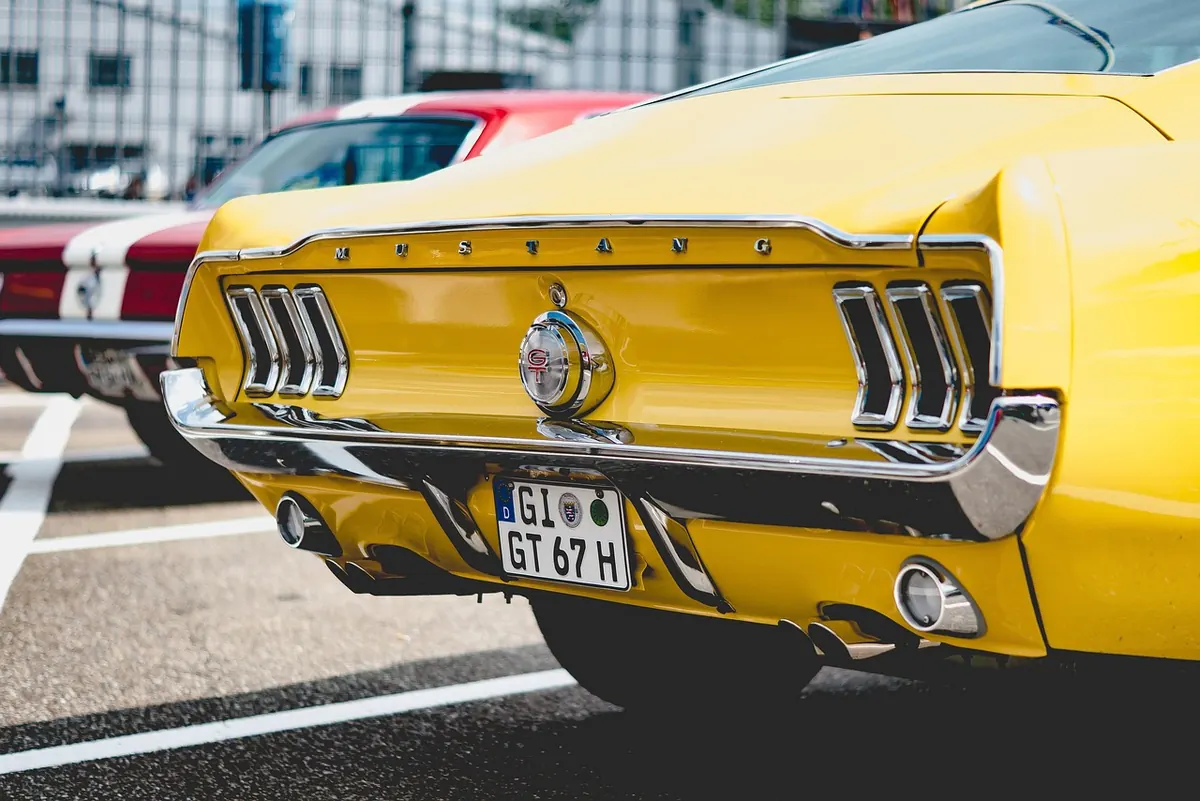
Photo: ingaklas / Pixabay