How to Prepare Your Car for a Long Road Trip: A 20-Point Checklist
A long drive rarely goes wrong because of one dramatic failure. It goes wrong because of the tyre that had been quietly losing pressure since March, the coolant level nobody looked at, or a driver who skipped lunch and started misreading lane markings somewhere around hour seven. Twenty minutes with a torch, a pressure gauge and this list before you leave removes most of that risk.
Work through the car in the order below. None of it needs a workshop, and if something does need one, you will find out in your own driveway rather than on a hard shoulder 200 miles from home.
Paperwork, Cover and the Plan
Unglamorous, quick, and the part most people remember only when they are already miles away.
- 1. Documents. Check your licence is valid and in the car, and that your MOT or local equivalent is current. If you are crossing borders, look up the current requirements for every country on your route — rules on warning triangles, reflective vests, beam deflectors and stickers change, so check the official source rather than a forum post from five years ago.
- 2. Insurance and breakdown cover. Confirm the policy covers the whole trip, save the claims number somewhere you can find it without signal, and check whether your breakdown cover has a recovery distance limit.
- 3. Service schedule. If a service, MOT or major interval falls within the next few thousand miles, do it before you go. A garage at home is cheaper and far less stressful than one in an unfamiliar town.
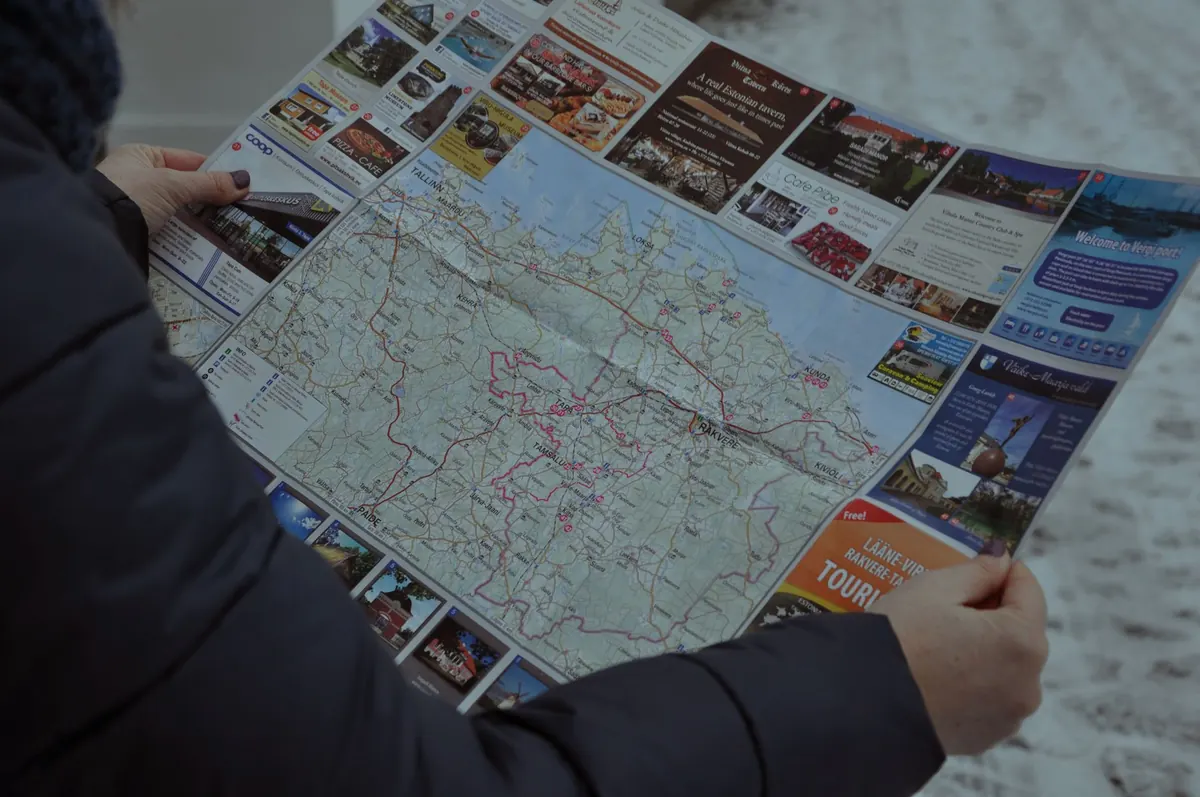
- 4. The route. Know where the long empty stretches are, note any tolls, and download offline maps in case coverage drops.
Tyres: Four Contact Patches, All of Your Problems
Tyres are where preparation pays off most, because they are the only thing connecting a two-tonne machine to the road.
- 5. Pressures. Check them cold, using the placard inside the driver's door jamb or fuel flap — not the maximum figure moulded into the sidewall. If the car will be loaded with passengers and luggage, use the higher "fully loaded" figure where one is given. Do not forget the spare.
- 6. Tread. In the UK the legal minimum is 1.6mm across the central three-quarters of the tread. For a long, wet motorway run, 3mm is where grip in standing water starts to feel noticeably weaker, so treat that as your practical limit.
- 7. Damage. Run a hand around each tyre and look for bulges, cuts, screws and uneven wear. A bulge means the tyre is finished, however much tread is left.
- 8. Age and wheel security. The four-digit code on the sidewall gives the week and year of manufacture; rubber hardens with age even when the tread looks healthy. Check the wheel nuts are tight and make sure the locking wheel nut key is actually in the car, not in a drawer at home.
Under the Bonnet, With the Engine Cold
Park on level ground and let everything cool first. A hot cooling system is pressurised, and opening it is a genuinely good way to get burned.
- 9. Engine oil. Engine off, dipstick out, wipe, reinsert, read. Anywhere between the marks is fine. Top up with the grade named in the handbook, a little at a time.
- 10. Coolant. Check the level when cold and top up with the correct mix rather than neat water if you can. Look for dried pink or green crust around joints, which points to a small leak.
- 11. Brake fluid. Note the reservoir level. If it is noticeably low, do not simply top it up and set off — that can indicate worn pads or a leak, so have it checked properly.
- 12. Screen wash. Fill it and dilute to the label's recommendation, stronger in winter. You will use far more than you expect on a long run.
- 13. Belts, hoses and battery. Look for cracks, glazing or soft spots in belts and hoses, and check battery terminals for white crust. If the engine turns over slowly, get the battery tested before you rely on it in a cold car park.
Lights, Wipers and Everything You Look Through
- 14. Every bulb. Headlights on both beams, indicators, hazards, brake lights, reverse and number plate lamps. Brake lights need a helper or a wall behind you to confirm.
- 15. Wipers and washers. If the blades smear or the rubber is perished, replace them now. Realign the jets so they hit the screen rather than the roof.
- 16. Glass and mirrors. Clean inside and out. Interior film builds up quietly and turns low sun into a white-out.
Kit, Comfort and the Driver
- 17. Spare wheel or sealant. Know which one you have, that it is inflated or in date, and that the jack and wheel brace are present.
- 18. Emergency kit. A warning triangle, high-visibility vest for each occupant, torch, basic first aid kit, jump leads, tyre inflator, water, a blanket, a phone charger and cable, and a paper map. In winter, add a scraper, a warm layer and a bag of grit or cat litter for traction.
- 19. Comfort. Set your seat position properly and pay attention to lumbar support. Pack snacks that will not leave you crashing an hour later, plenty of water, and download your podcasts before you lose signal.
- 20. The driver. Sleep properly the night before, avoid setting off straight after a full shift, plan a real stop every two hours, and share the driving where you can. If you take medication that may affect alertness, speak to a pharmacist or doctor before you travel.
The Night Before, and the First Hour
Load the car the night before so you are not rushing in the dark with a suitcase balanced on the roof. Fuel up in advance, set your navigation before you move off rather than at the first junction, and keep the essentials — documents, water, phone cable — within reach rather than buried under luggage.
Then, about ninety minutes into the drive, stop. Walk around the car: check that nothing has shifted, that the lights still work and that the tyres are not unusually hot. It takes three minutes and it catches the small things that turn into large ones. After that, settle in, keep your stops regular, and let the trip be boring. Boring is exactly what a long drive should be.
Photo: Kseniia Bezz / Pexels